
About
About Oblong Face Shape
An independent editorial resource explaining what an oblong face shape is, how to identify one, and how everyday styling choices change the way long facial proportions read.
- Independent
- No affiliate pressure
- Corrections welcome
The people behind the site
Who We Are
Oblong Face Shape is an independent editorial website about one subject: the oblong, or long, face shape. It is founded, written and edited by Ayla Willow, who also built the face shape detector the guides are organised around.
We are an editorial resource rather than a shop. The site exists to explain what an oblong face is, how to tell whether you have one, and the reasoning behind each styling choice, so you can make the decision yourself.
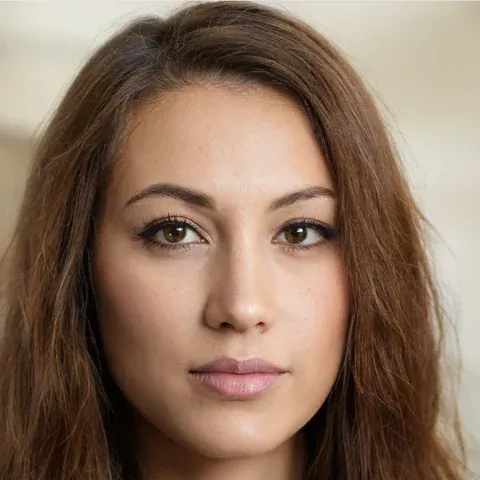
About the author
Ayla Willow
Face shape specialist
Founder and editor of Oblong Face Shape
Ayla founded Oblong Face Shape to fix a specific problem: most face shape advice online tells you what to do without telling you why, and most face shape quizzes return a label without showing the numbers behind it.
Every guide on this site explains the mechanism first, then the recommendation. Every detector result shows the four measurements it used and scores all seven shapes, so you can check the answer rather than take it on trust.
- Measurement-ledEvery result traces back to four measurements you can check yourself.
- Shown, not assertedThe ratio and width spread sit next to the label on every result.
- On-device analysisPhoto and camera detection run in your browser. Nothing is uploaded.
- Sources namedWhere a guide cites research, the study and year are linked, not paraphrased.
- Analyses completed
- 100,000+Analyses completedFaces measured through the detector to date.
- User rating
- 4.9 / 5User ratingAverage rating from people who have used the tool.
- Accuracy rate
- 95%Accuracy rateThe detector's accuracy across testing.
- Face shapes
- 7Face shapesEvery result ranks all seven, not just the winner.
Trusted by Thousands
Join over 100,000 people who have used this face shape analysis for better style, confidence and self-expression.


Why this site exists
Our Story
Oblong Face Shape started from a specific frustration. Most face shape advice online tells you what to do without telling you why, and most face shape quizzes hand back a label without showing the numbers behind it.
Face-shape advice is everywhere and most of it is thin: a paragraph of definition, a list of haircuts, and a confident claim that one shape is objectively better than another. We wanted a resource that stayed on one shape and went deep — proportions, measurements, comparisons, and the reasoning behind each styling recommendation.
So that is what we built. A detector that reports the four measurements it used and scores all seven shapes, 13 guides covering hair, eyewear, grooming and makeup for an oblong face, comparison pages for the shapes it is most often confused with, a labeled diagram and a measurement guide. Every guide explains the mechanism first and the recommendation second.
What you will find here
What We Do
We help people work out their face shape by measurement and then style for it. The detector is free, needs no sign-up and runs in your browser.
-
A Free Face Shape Detector
Four ways to test: photo upload, live camera, tape-measure measurements or seven questions. Each one returns your closest shape, a match strength and the numbers behind it.
-
Styling Guides for a Long Face
13 guides on hairstyles, glasses, sunglasses, beards, makeup and earrings, split for men and women. Each one explains why a choice works before recommending it.
-
Shape-by-Shape Comparisons
Side-by-side pages for the shapes an oblong face is most often mistaken for: oval, diamond and rectangle, with the one measurement that separates each pair.
-
Guides to the Other Shapes
Dedicated pages for oval, round, square, heart, diamond and rectangle faces, each with the same detector tuned to that shape and its own hair and eyewear advice.
Trust and credibility
Why You Can Trust This Site
We do not ask you to take a result or a recommendation on faith. These are the things that make the site a reliable source, and each one can be checked.
- Used at scale The detector has completed 100,000+ face analyses to date.
- Every result shows its working You see the four measurements, the length-to-width ratio and the scores for all seven shapes, so you can check the answer yourself.
- Nothing leaves your device Photo and camera analysis run in your browser. No image is uploaded and no answers are stored.
- Sources are named Where a guide cites research, the study and its year are linked rather than paraphrased.
- A named editor is accountable Ayla Willow writes and edits the site and answers corrections at hello@oblongfaceshape.online.
- No invented numbers Where no reliable data exists, such as how common each face shape is, we say so instead of publishing a percentage.
How we work
How the Guides Are Put Together
Every recommendation on this site follows from the same geometry: an oblong face is longer than it is wide with near-equal widths from forehead to jaw, so styling that adds horizontal width and interrupts the vertical line balances it. Where we suggest something, we explain which of those two things it does.
Where a topic is subjective — and in personal style, most of it is — we say so rather than presenting preference as fact. Where a question has no reliable data behind it, such as how common each face shape is, we say that too instead of inventing a percentage.
Editorial limits
What We Will Not Publish
- Rankings that present one face shape as objectively more attractive than another.
- Invented statistics about how common or rare a face shape is.
- Fabricated expert quotes, studies, testimonials or credentials.
- Claims that face shape predicts personality, intelligence or character.
- Definitive statements about the facial measurements of real people, including public figures.
- Medical, dermatological or surgical advice — this is a styling resource, not a clinical one.
The quiz
How the Face Shape Quiz Works
The what's my face shape quiz asks seven questions about your proportions and features. Each answer carries weights toward the seven common face-shape categories, the weights are added up in your browser, and the highest total is reported as your closest match alongside your runner-up shapes.
No photograph is required, nothing is uploaded, no image or biometric processing is involved, and no answers are stored or sent anywhere. It is an informational self-assessment designed to point you toward useful styling advice — not a classification system.